
share your feedback!
thank you!
tough
love
con
amor
CONNECTION IS OVERDOSE PREVENTION.
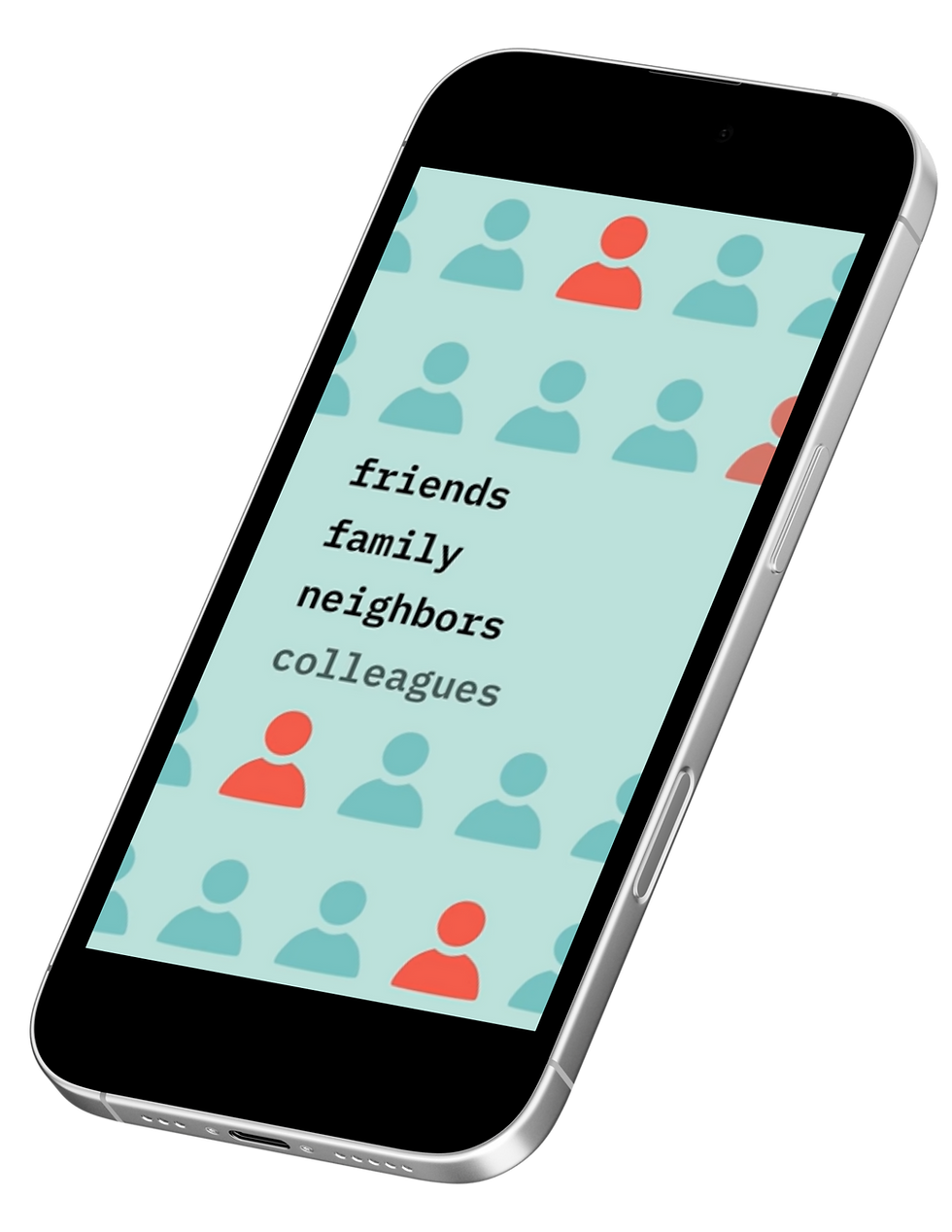
Today, over one-third of Americans already know someone who has died from a drug overdose. The truth is clear: people who use drugs are our friends, our family, our neighbors, our colleagues, and our loved ones. Overdose impacts us all. When it comes to overdose prevention, being “tough” does more harm than good — punishment, judgment, and stigma isolate and push people further away, cutting off the very lifeline that could save them when they need it most.
Connection is everything.
Real, human connection is the most powerful way to protect those we care about. It opens the door to trust, offering people the chance to see their own strength, make safer choices, and seek the help that everyone deserves.
That's how we save lives — together.
All of us can make a difference.
Here's how:
Stay Connected. If someone you know is using, keep that connection alive. Harm reduction is about safety, respect, and compassion—so no one has to be alone when they need help the most.
Break the Stigma. Change the conversation around substance use and stigma: people who use drugs are still people, and all people are deserving of care and dignity. In private and in public, share resources, learn more, and speak up for change.
Support without Judgment. Harm reduction approaches aren’t just the right thing to do for our loved ones—they’re proven to reduce fatal overdoses and improve the health and safety of people who use drugs. When we prioritize support over stigma, we give people the space they need to thrive, heal, and grow.
Be Ready to Save a Life. An overdose could happen anywhere, at any time—and you might not know who around you could be at risk. The single best thing anyone can do to prevent an overdose is learning how to recognize and respond to an overdose when it happens. Get trained to use naloxone and carry it wherever you go.


Talking to loved ones about their health is important and personal. Remember LEAPS to help you navigate difficult health conversations in a calm and approachable way.
Listen
Start by actively listening to the other person’s concerns, questions, and fears. Repeat back what they say to let them know you heard them. Listen without judgment.
Empathize
Acknowledge how they are feeling. For example, you might tell a neighbor, “it sounds like work is really stressful, and now your health concerns are adding more stress.” Thank the person for sharing their feelings with you: “Thank you for being open about this. I know it’s not an easy thing to talk about.”
Ask
Ask open-ended follow-up questions that help them explain where they are coming from. You might ask your parent, “why do you feel that way?” or a friend, “how did you reach that decision?”
Provide
Ask if it would be okay to provide information from trusted sources. See a list of local resources and services below.
Share
Share your own story. Talk about your personal health experiences and respectfully explain your health choices.

Make connections in Kitsap
Find more local resources
See an an episode of "Engaging Kitsap" exploring the Tough Love campaign.
Browse a Kitsap Regional Library book list focused on connections and conversations.

Kitsap toolkit
materials to inspire connection and drive positive change



For more information and to request printed materials, contact pio@kitsappublichealth.org.
Kitsap toolkit
materials to inspire connection and drive positive change
For more information and to request printed materials, contact pio@kitsappublichealth.org.
Make connections
-
Communication Resource
-
Communication Resource
-
Communication Resource
-
Communication Resource
-
Communication Resource
Find local help
-
Local Substance Use Resource
-
Local Substance Use Resource
-
Local Substance Use Resource
-
Local Substance Use Resource

Kitsap toolkit
materials to inspire connection and drive positive change
For more information and to request printed materials, contact pio@kitsappublichealth.org.

Kitsap Public Health District developed this website and campaign toolkit using resources from overdoseprevention.love with permission from NACCHO. For more information, email pio@kitsappublichealth.org.
.png)
